Latest News by Andrew Taplin22/12/2025
Wheels & Tyres That Actually Work for Australian Conditions – for Right Hand Drive American Utes
 by Andrew Taplin22/12/2025
 by Andrew Taplin22/12/2025
Wheels and tyres on big American pickups in Australia aren’t about looks — they’re about safety, legality, and reliability, especially when towing.
4. Engineering triggers:
Bottom line: stick to proven load ratings, sensible offsets, and realistic tyre sizes — your truck will tow better, stay legal, and last longer.
As someone who’s spent a lifetime around big four wheel drives, caravans, some of Australia's hardest tracks, from the arduous Victorian High Country to the iconic Glasshouse Mountains in Queensland, I’ve seen the same thing play out over and over: owners pick wheels and tyres based on looks, not load ratings or real-world fitment. That’s fine until you start towing 3.5–4.5 tonnes, hit a pothole at 100 km/h, or get defected for track increase you didn’t know you had.
This guide cuts through the noise. No influencer hype. No assumptions. Just the combinations that actually work for American pickups in Australian conditions, and what gets you into engineering territory if you push things too far. I will provide you with real world examples from some of my customers who have had the good, and the bad.
Stud pattern and offset are the two foundations of correct wheel fitment. The stud pattern is simply the number of wheel studs and the diameter they sit on, for example, 6×139.7 or 8×180. American pickups use several unique patterns, and none of them interchange. If the pattern doesn’t match your hub exactly, the wheel will never seat correctly, and you’re risking vibration, broken studs, or a wheel coming loose.
Offset, on the other hand, determines where the wheel sits in relation to the hub. Too much positive offset pulls the wheel inward and can foul on upper control arms or suspension components. Too much negative offset pushes the wheel outward, increasing track width and putting huge extra load on wheel bearings and ball joints. Go too far either way and you’ll also upset lane-keep, stability control and towing manners.
Get these two right, and your truck drives the way it was engineered to. Get them wrong, and you’re instantly into rubbing, poor handling, or engineering requirements you didn’t plan for.
Tyre size isn’t just about filling the guards or chasing that tough look — it has a massive impact on how your ute actually behaves on- and off-road. Jumping from a factory 32–33” tyre up to a 35” gives you better ground clearance, a bigger footprint and more confidence on rocky climbs or rutted fire trails. But it also changes gearing, softens braking performance, throws out your speedo, and can make the suspension work overtime on corrugations.
Push into 37” territory and you’re in proper off-road spec, but you’ll need the clearance, the right offsets, and usually some engineering to keep it all legal. Wider tyres also bring their own headaches, they love rubbing on UCAs and crash bars, and they put extra strain on steering racks and bearings when you’re crawling up steep tracks or bashing through mud.
The trick is choosing a tyre that improves capability without turning the truck into a handful. Pick the right size and your rig will drive better, track straighter, flex cleaner and grip harder where it matters — out in the bush, not just in the driveway
Tyre compound and construction play just as big a role as size when you’re setting up a proper off-road rig. A harder compound lasts longer on hot bitumen and heavy towing, but it won’t bite as well on wet clay or loose rock. Softer compounds grip brilliantly off-road, especially when aired down, but they wear quicker and can heat up faster on long highway runs. It’s always a balance between durability, traction, and what you actually use the truck for.
Sidewall height is another big one. A taller sidewall — think 70 profile and above, or a true 35–37” tyre — gives you more flex, better ride quality on corrugations, and far more puncture resistance when you’re climbing over sharp rocks or tree roots. Go too low-profile and the tyre can’t absorb impacts, which puts the load straight into your rims and suspension.
Construction ties it all together. LT (Light Truck) tyres with stronger carcasses and 10-ply–plus ratings are built for Aussie touring and towing. They handle heat better, resist chipping, and survive the sort of outback punishment that destroys passenger-rated tyres. Combine the right compound, a sensible sidewall, and proper LT construction, and you’ll have a tyre that works everywhere — from the highway to the High
We’re a proud dealer for Method Wheels, and there’s a simple reason for it: they actually hold up in Australian conditions. Plenty of wheel brands look the part, but very few have the load ratings, construction quality, and tested durability to cope with a 3–4.5-tonne caravan on the back, long highway hauls in 40-degree heat, or corrugated tracks that shake lesser gear to pieces.
Method Wheels consistently hit the numbers that matter, proper load ratings (often 1,300–1,600 kg per corner), tight manufacturing tolerances, and offsets that suit American pickups without blowing out the track width or stressing suspension components. They’re engineered to work with the geometry of big US trucks, not fight against it.
We’ve fitted these wheels across thousands of Sierra, Silverado, F-Series and Ram builds, and they’ve proven themselves everywhere from the Victorian High Country through to the NT. That’s why we stand behind them, and why we’re happy to put our name on them.
Offset isn’t just a “stance” number - it’s geometry. Get it too wrong and you destroy ball joints, trigger lane-keep assist faults, or instantly push your track past legal limits.
| Platform | Factory Offset (Approx) | Safe Aftermarket | Notes |
|---|---|---|---|
| 1500 class | +24 to +44 | +18 to +35 | Zero/negative offsets push track too far |
| 2500/3500 class | +44 to +60 | +18 to +40 | Heavier trucks tolerate offset changes poorly |
| Ford F-series | +40 to +45 | +20 to +35 | Fords rub early with wide tyres |
| Ram 1500/2500 | +18 to +20 | +0 to +18 | Easy to exceed track limits |
Stick within these ranges and you’ll generally avoid rubbing, engineering, or strange steering feel
Below are practical evergreen fitment rules based on real-world behaviour of common US pickups.
| Item | Spec |
|---|---|
| Factory Wheels | 18–22” / 8.5–9” wide / +24 to +44 |
| Safe offsets | +18 to +35 |
| Max tyre (no rub) | 33” on stock suspension |
| Tyres that rub | 35” touches UCA & front liner |
| Engineering triggers | >33” diameter, >+25 mm track |
| Item | Spec |
|---|---|
| Factory Wheels | 17–20” / 8–8.5” / +44 to +60 |
| Safe offsets | +18 to +40 |
| Max tyre (no rub) | 35” fits with minimal trimming |
| Tyres that rub | 35” touches UCA & front liner |
| 37" Behavior | Requires lift + trimming, engineering likely |
| Engineering triggers | Track, tyre diameter, load rating mismatch |
| Item | Spec |
|---|---|
| Factory Wheels | +40 |
| Safe offsets | +20 to +35 |
| Max tyre (no rub) | 33" |
| 35" Behavior | Rubs crash bar |
| Engineering triggers | Track, diameter over 50 mm increase |
| Item | Spec |
|---|---|
| Offset | +40-+45 |
| Safe offsets | +20 to +35 |
| Max tyre (no rub) | 35" |
| 37" Behavior | Needs lift trimming |
| Engineering triggers | Almost always for 37” setups |
| Item | Spec |
|---|---|
| Factory Wheels | +60 |
| Safe offsets | +30–+50 |
| Max tyre (no rub) | 33" |
| Tyres that Rub | 35” hits UCA |
| Engineering triggers | Track increase (high OEM offset) |
| Item | Spec |
|---|---|
| Factory Wheels | +18–20 |
| Safe offsets | +0 to +18 |
| Max tyre (no rub) | 33" |
| 35" Behavior | Needs crash-bar mod or lift |
| Engineering triggers | Track diameter |
| Item | Spec |
|---|---|
| Factory Wheels | +45 |
| Safe offsets | +20 to +40 |
| Max tyre (no rub) | 35" |
| 37" Behavior | Heavy mods |
| Engineering triggers | Load, diameter, track |
Below are the mainstream AT/MT tyres that Aussie dealers actually stock. These work well on big pickups and long-distance towing, All recommendations come from personal experience and first hand accounts.
Sizes: 275/65R20, 285/60R20, 35×12.5R20
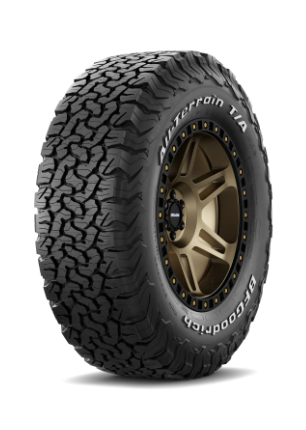
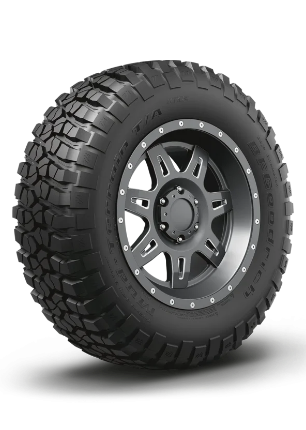
BFGoodrich have been a big name in the tyre game for years, with Baja Racing heritage, I've personally ran the All-terrain variants (KO series) and the Mud-Terrain variants (KM Series), these tyres run a softer compound, with a strong sidewall. Easy to find in tyre shops, great tyre tread pattern and great road manners for a mud tyre. I've never encountered a puncture with the KM series tyres. I would recommend the KM Series over the KO series, every day of the week.
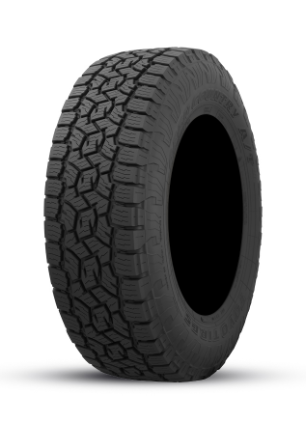
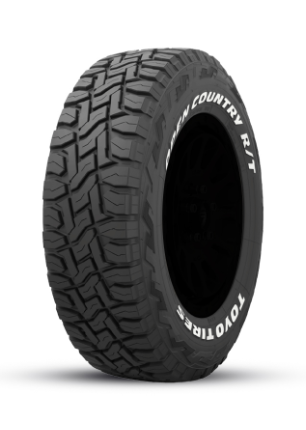
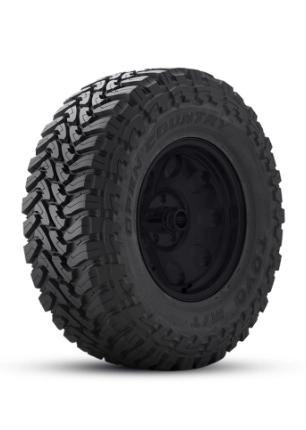
Toyo are one of the big Japanese manufacturers, I find the Toyo tyres a great tourer tyre. Harder compound, great longevity. Some customers tend to find their wet weather performance with an unladen vehicle to be desired, but overall people tend to love them. I personally have not run the Toyos on my vehicles to date, but have often gone driving with people with them. Strong pricepoint.
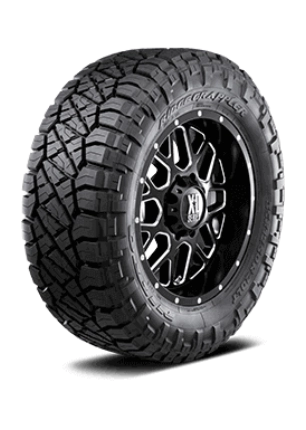
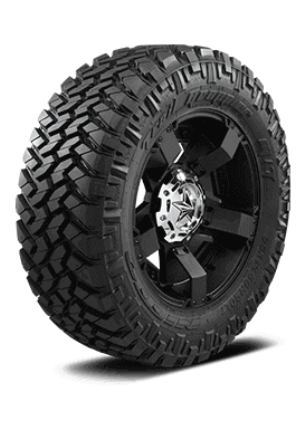
Nitto have a great motorsport pedigree, the ridge grappler and trail grappler being a relatively new 4x4 tyre on the market always leaves a question on peoples mind. What I can say is that they have consistently exceeded expectations from many of my customers and mates with great on road handling and outstanding offroad performance, and road manners befitting a dinner with the queen.
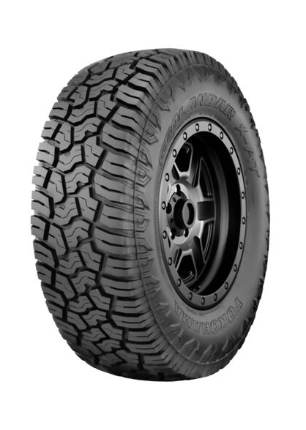
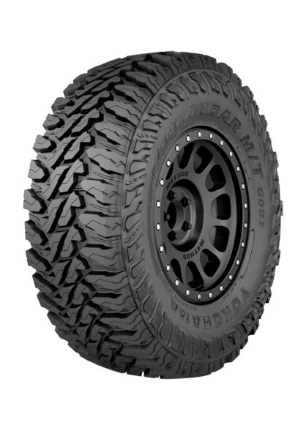
My Experience with the Yokohama Geolanders are with the X-AT Variant, which I have always found to be an outstanding tyre. Albeit in a rather tame size of (265/70R17), the Geolander always had a great sense of grip on gravel, and mud. Most of my testing comes out of the Victorian high country region, more specifically Walhalla, which is known for a really diverse set of conditions. From river crossings, to traversing slipper ascents the Geolanders really held there own, and equally held their own in the drive home, with a lot less noticeable drone, while maintaining a strong treadpatten. For the price, I think these are an absolute winner.
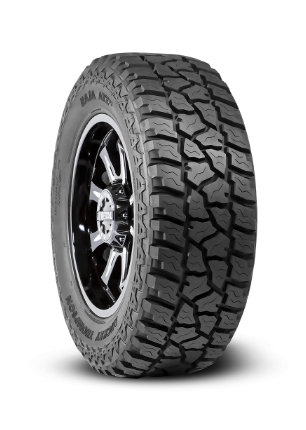
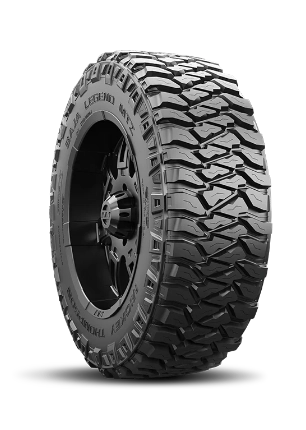
Mickey Thompson is another big name out of the USA, and for good reason. They pioneered large-format mud tyres and have built a cult following in the process. The Baja series tyres are aggressive, off-road-focused tyres with a strong sidewall and an equally aggressive tread pattern, the exact formula for a proper off-road tyre. Many customers choose to run these if their truck lives on the farm, thanks to their excellent performance in mud and their strong sidewall when hauling large loads. They do sit at a higher price point compared with the Yokohamas, but for the owner whose truck is an off-road weapon, they’re worth every penny.
The Maxxis Razr quickly placed itself at the top of the list for many four-wheel drivers due to its incredible off-road performance and versatile on-road capability. The mud-terrain versions use a softer compound, which makes them brilliant in mud. I’ve run the RAZR MTs on my own four-wheel drive for a few years now, and I’ve found them fantastic. For a truck that spends most of its life as a daily drive. As someone who’s spent a lifetime around big four wheel drives, caravans, some of Australia's hardest tracks, from the arduous Victorian High Country to the iconic Glasshouse Mountains in Queensland, I’ve seen the same thing play out over and over: owners pick wheels and tyres based on looks, not load ratings or real-world fitment. That’s fine until you start towing 3.5–4.5 tonnes, hit a pothole at 100 km/h, or get defected for track increase you didn’t know you had.