Latest News by Rob Hill29/12/2025
Dealer vs right hand drive remanufacturer the Accountability Test for American pickup trucks in Australia (2026)
 by Rob Hill29/12/2025
 by Rob Hill29/12/2025
Written by Rob Hill
1st January 2026
In Australia, American pickup trucks are no longer a novelty. They are serious touring, towing and work platforms, and the price tags reflect it.
But here is the part buyers often miss. A warranty is not a headline or a PDF. A warranty is an accountability system, and your ownership experience is defined by where the buck stops when something goes wrong.
This guide is the Accountability Test I’d apply before spending real money on any right hand drive American pickup in Australia, especially when the vehicle is sourced in North America, converted locally, and sold through a retailer who does not do the remanufacturing themselves.
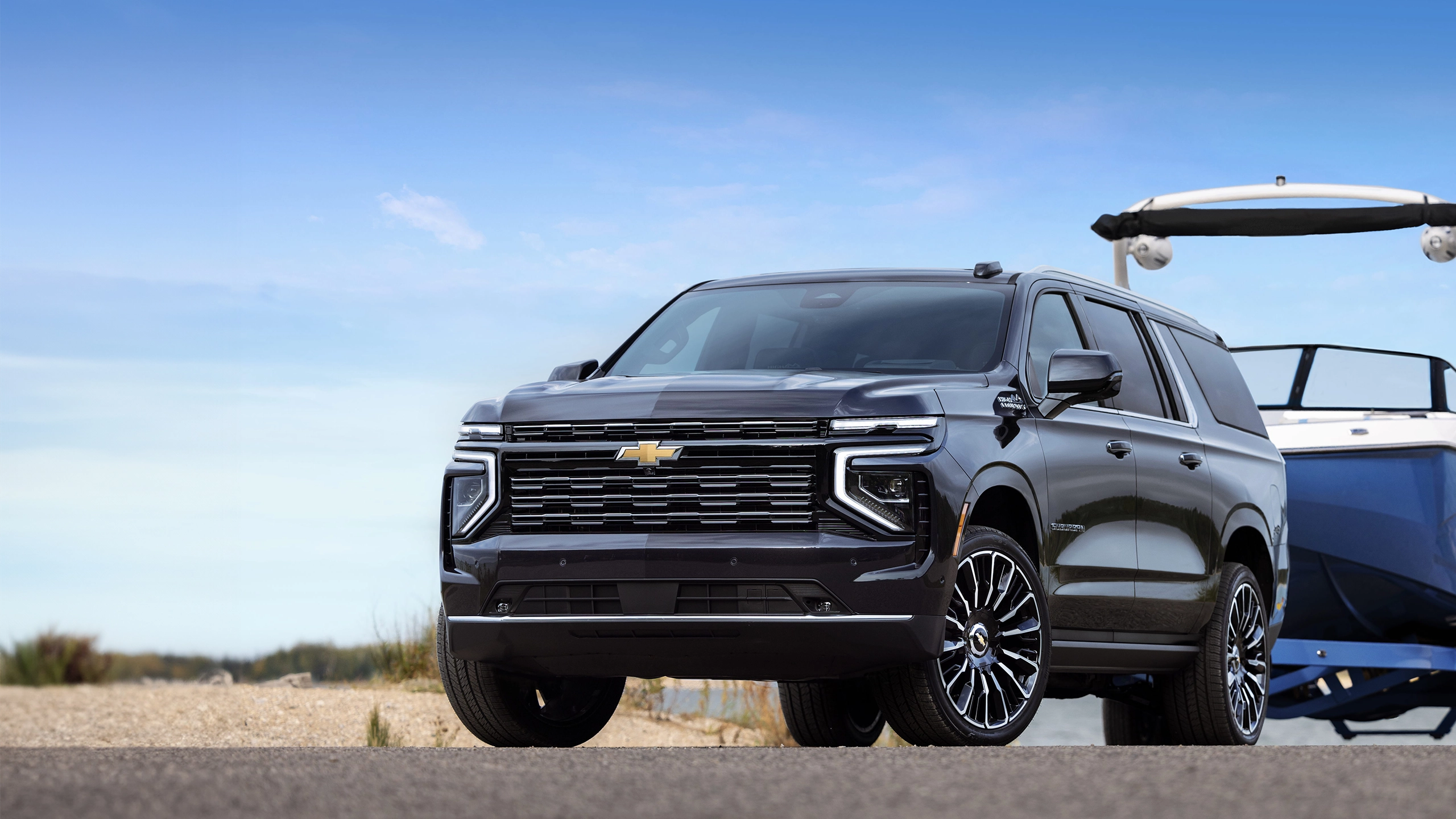
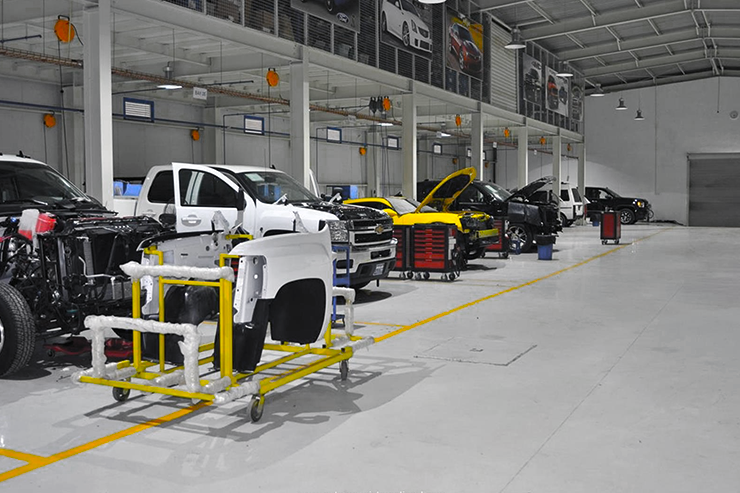
A right hand drive conversion is not a cosmetic change. It is a complex remanufacturing job that touches steering, braking integration, wiring, dashboards, HVAC, driver controls, safety systems and factory technology.
The OEM built the vehicle with a huge engineering and validation machine behind it. Once a left hand drive American truck is exported and modified for right hand drive use, the quality and warranty outcome depends on the business that engineered, manufactured, validated and supports that conversion work.
That is why I separate the market into two models: the dealer-led split model and the remanufacturer model.
Most warranty frustration comes from a simple triangle of responsibility. One party sourced the vehicle, another party performed the conversion, and a third party may administer the warranty or approve claims.
If you are unhappy with conversion finish or integration, think dashboard fit and finish, door switch panels, seat controls, camera systems, button relocation, wiper system modifications, or infotainment behaviour, the question becomes: who is legally responsible, and who can actually fix it.
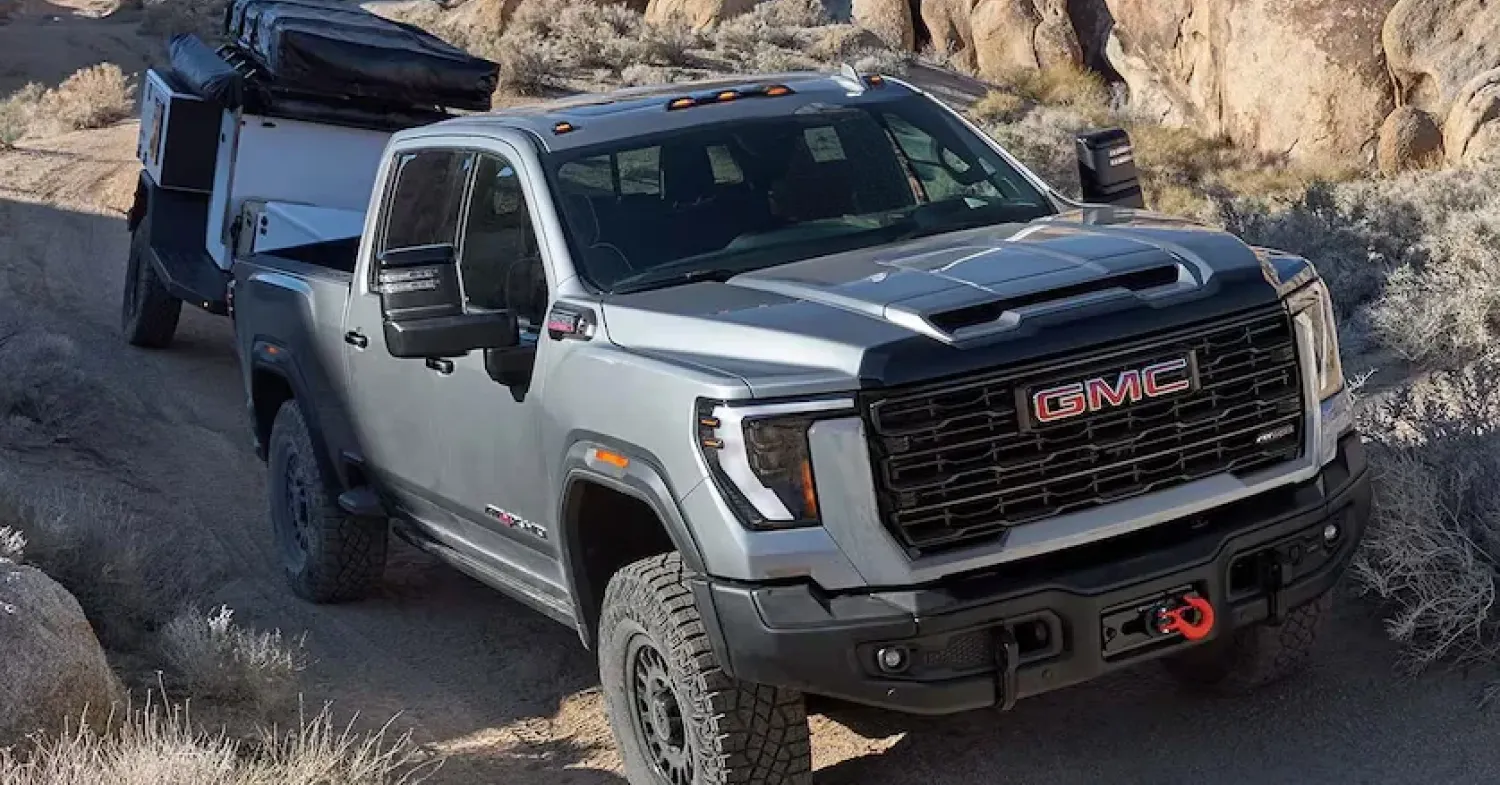
If you hear, “We use another company for conversions,” treat it as a serious risk flag.
It means you are not buying one integrated product with one accountable manufacturer behind it. You are buying a chain of responsibility. If something goes wrong, you are dealing with at least two businesses, sometimes three.
The retailer may have sourced the vehicle, taken your order, and sold you the truck. But if they are not the remanufacturer, they typically do not hold the conversion engineering, the design files, the tooling, the conversion-specific parts, or the deep technical knowledge needed to diagnose and rectify conversion issues quickly.
That gap is where owners lose time and money. Not because anyone is trying to be difficult, but because the people who can truly fix conversion problems are not the people who sold you the vehicle.
If you ask these questions and get clear answers in writing, you are already ahead of most buyers. If answers are vague, defensive, or constantly “we’ll sort it out,” treat that as a sign to reassess.
1. What is the legal entity (company name plus ABN or ACN) that will be responsible for my warranty in writing.
2. Who is responsible for conversion warranty specifically, including conversion finish, dashboard, switch panels, seat controls and technology integration.
3. Is conversion done in-house or outsourced. If outsourced, which entity carries liability for conversion design, manufacturing and parts.
4. Where are conversion-specific parts held in Australia, and what is the urgent parts process when a vehicle is off the road.
5. If a conversion-specific part needs to be remanufactured, who has the tooling, CAD and capability to reproduce it.
6. Who approves warranty claims, and what is the typical approval time. Is there a written claims process.
7. Who pays the repairer. Is the warranty insured or self-funded.
8. Is roadside assistance included. If yes, for how long, and what is covered.
9. What service network exists nationally, and how are authorised repairers trained on conversion systems.
10. If an accessory is fitted (bullbar, tow kit, lighting, suspension), who signs off integration and compliance interactions. What impact does it have on warranty?
11. If a fault overlaps an accessory and the vehicle’s electronics, who owns escalation and resolution.
12. Can you show audited quality systems and explain how quality is controlled from design through production (for example ISO 9001:2015).
13. Do you own and operate the conversion facility, or do you rely on external contractors.
14. How long has the legal entity been operating, and how long has it been converting or supporting right hand drive American pickup trucks in Australia.
15. If the business structure changes or trading name changes, who remains responsible for warranty obligations.
I’ll be blunt. A $200,000-plus purchase demands a basic background check. In the Australian market, some sellers present as long-established businesses, but the legal entity behind the brand can be new.
Do the 30-minute check before you put down a deposit.
Strong accountability is simple. One group owns engineering, production, quality control, parts, and long-term support, and the warranty is designed to be executed quickly, not argued over.
Buying direct from the right hand drive remanufacturer is also practical. It reduces the number of parties involved, and it removes the need to rely on a retailer to interpret engineering issues they did not design.
It also changes delivery certainty. A dealer cannot realistically guarantee timelines when they do not control sourcing, shipping, conversion capacity and final delivery. A remanufacturer can, because the pipeline is owned end to end.
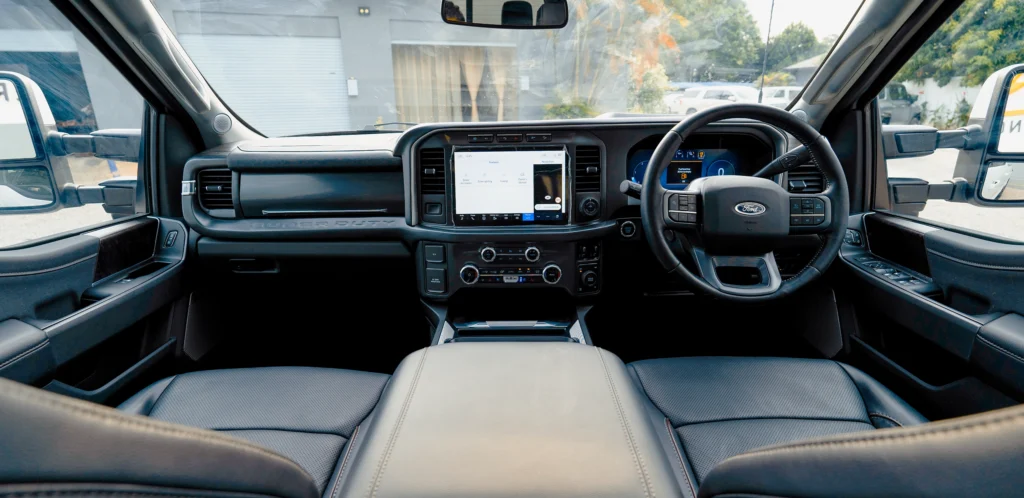
A dealer can sell a truck. That is not the same as being the right hand drive remanufacturer behind the warranty.
If you remember one thing, remember this: the best warranty in Australia is the warranty with the clearest accountability, the strongest parts capability, and the fastest path to repair.
FAQ
Do US or Canadian OEM warranties apply to American pickup trucks in Australia
No. Once a North American pickup truck is exported the warranty is void – therefore it is the Australian supplier that is fully responsible. You therefore lose the safety net of the major global automotive manufacturer and relay on the company you buy your truck from.
What is the biggest risk with the dealer-led split model
The risk is delay and dispute. When vehicle sourcing, conversion and warranty administration sit with different parties, quality and warranty issues can bounce between businesses, especially when parts or engineering knowledge sit with the converter rather than the retailer. And the ‘benefit’ of buying locally becomes irrelevant if the convertor is in another part of the country.
Why does conversion finish matter for warranty
Because finish issues often overlap engineering. A dashboard that looks wrong may be a symptom of poor fitment, poor materials, or incomplete integration with HVAC, wiring or controls. You want a warranty pathway that covers both visible quality and underlying engineering.
Is an insured warranty better than a self-funded warranty
An insured warranty can reduce business continuity risk because funding and claim payment processes are structured through an insurer or underwriter. A self-funded warranty can work, but it relies entirely on the seller’s balance sheet and willingness to pay claims over time. A self-funded warrant is identical to you ‘self insuring’ your house, car, content of health insurance!
What questions should I ask if a retailer says another company does their conversions
Ask who owns conversion warranty in writing, who holds conversion-specific parts, whether the converter can remanufacture parts, and what happens if the retailer and converter stop working together during your ownership period. What happens if you are unhappy with the finish such as the dashboard? Who is responsible?
Why is dealing direct with the right hand drive remanufacturer safer
Because the remanufacturer owns the engineering, the conversion-specific parts pathway, and the technical escalation process. If something goes wrong, you avoid the two-company handball where a retailer must rely on an external converter for diagnosis, parts and rectification.
If a retailer stops selling trucks, what happens to my warranty
It depends on the legal entity backing the warranty and whether the remanufacturer is directly accountable to you. Confirm, in writing, who carries warranty responsibility and parts support if the retailer changes direction, rebrands or closes. You may however lose the warranty of your pickup truck.
Does “local dealer support” actually reduce risk
Not if the conversion work and conversion knowledge sit elsewhere. The real question is where the engineers, documentation, tooling and conversion-specific parts actually are, and who is obliged to support you over time.
How does free delivery and national service support change the decision
It removes the usual argument for buying from a local retailer. If your truck can be delivered anywhere in Australia (for free) and supported through authorised service centres nationwide, dealing direct with the remanufacturer becomes the logical way to keep accountability clean.
Why offer facility visits in Sri Lanka
Transparency matters. Seeing the engineering, design, parts manufacturing and conversion facility behind the warranty makes it easier to judge whether a provider has the capability and systems to support you long term.
Can accessories create warranty disputes
Yes. If accessories are fitted without deep understanding of the vehicle and conversion systems, faults can overlap wiring, cameras, towing electronics or compliance interactions. Confirm who signs off integration and who owns responsibility if something goes wrong.
How can I check how long a business has been operating
Ask for the legal company name and ABN or ACN, then verify via ABN Lookup and ASIC registers. Cross-check “years of experience” claims against public history, including older social posts and Facebook page information. (Sources: ABN Lookup; ASIC registers).
What should I look for in a right hand drive remanufacturer
Owned production capability, audited quality systems, documented engineering, conversion-specific parts supply, trained service network, and a clear warranty process with a single accountable entity.
What is the single best way to avoid warranty drama
Get an accountability statement in writing before you pay a deposit. One page. Who sourced the truck, who engineered and built the conversion, who backs the warranty, and where parts come from.
What is the 6-month Delivery Guarantee and why does it matter
It is a defined delivery commitment that is only practical and possible when one organisation controls sourcing in North America, shipping, conversion capacity and final delivery. The value for buyers is reduced uncertainty, clear milestones, and financial accountability if timelines slip.
What does “full-vehicle cover, bullbar to towbar” mean
It means the warranty is structured to cover the entire vehicle as delivered, not only a narrow list of components. Buyers should still confirm inclusions and exclusions in writing, but the key point is that the warranty is designed as a single, end-to-end promise from one accountable party.
Is roadside assistance included and what does “unlimited callouts” mean
Under the Australia program, Premium Roadside Assistance is provided for five years, 24/7/365, with unlimited callouts and Australia-wide coverage. Confirm the current terms at the time of order, including any distance or benefit limits that apply in remote areas.