Latest News by Andrew Taplin20/01/2026
American Pickup Touring Build Packages for Australia (Real World)
 by Andrew Taplin20/01/2026
 by Andrew Taplin20/01/2026
Andrew Taplin, Sales Manager – Autogroup International
14 January 2026
1) Why touring an American pickup in Australia is different
Touring in Australia is a stress test. Long distances at speed. Heat. Crosswinds. Corrugations. Dust. Big payload swings depending on water, fuel, passengers, and gear.
That is why touring builds fail here more than people expect. It is not because the trucks are bad. It is because the build plan is usually backwards. People chase the look first, then try to make it drive properly later.
At Autogroup International we have an unfair advantage in this space. We design, engineer and convert American pickup trucks, and we also operate Australia’s largest American truck service centre with 30+ years of hands-on experience. We service thousands of American pickup trucks, including trucks converted by others. That means our advice is shaped by what breaks, what wears, and what causes downtime years later, not just what looks good in a carpark.
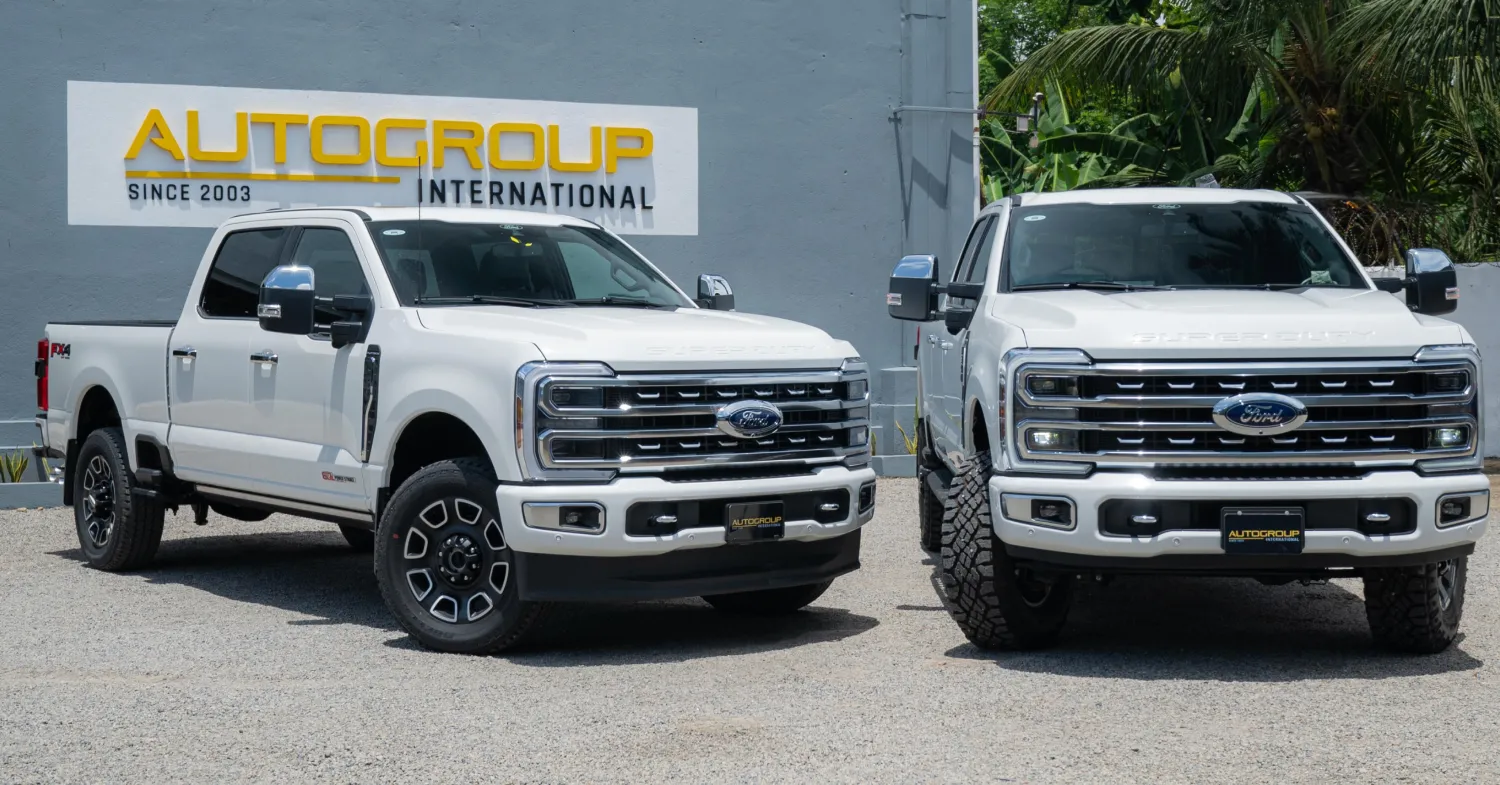

2) Touring build packages: what they are, and what they are not
A touring package is a system with one job: keep the truck safe, stable, and reliable when you are far from help.
A touring package is not:
A touring package is:
Touring outcome framework
Use this table to set the build direction before you buy anything.
| Touring outcome you want | What actually controls it | Where builds usually go wrong |
| Stable at highway speed with a load | Suspension tuning, tyre choice, alignment | Too much lift, wrong tyres, poor alignment |
| Comfortable over long days | Damping match, seat time, balanced weight | Over-sprung, under-damped, weight too high |
| Reliable power for fridge and comms | Power design and install quality | Cheap wiring, poor mounting, poor heat management |
| Practical storage without losing payload | Layout and weight discipline | Heavy drawers, heavy canopy, weight creep |
| Range and flexibility | Long range fuel planning and weight control | Fuel added without suspension and payload plan |

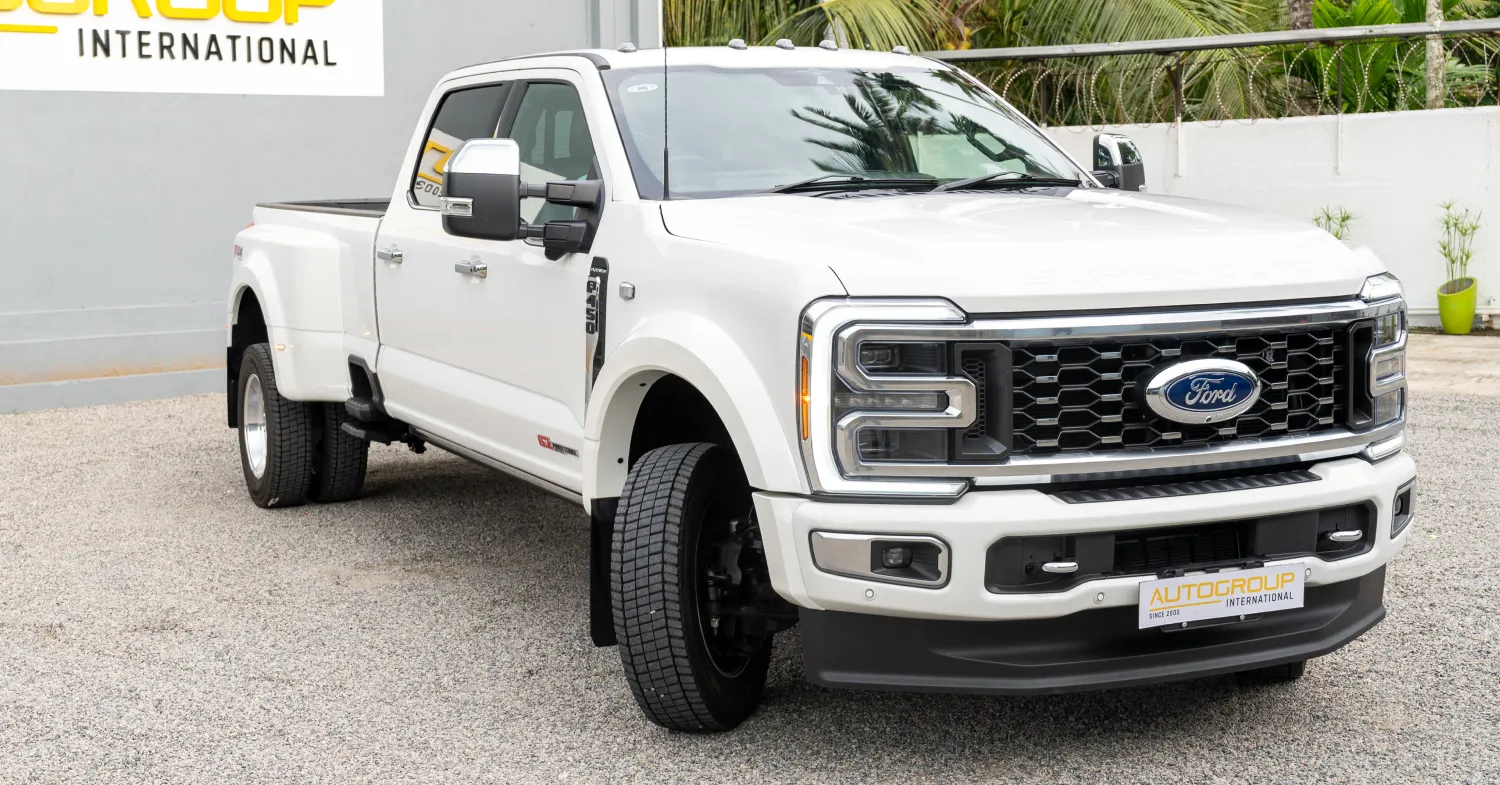
3) The accessory deep dive (how to choose properly)
Suspension lift kits (Fox Suspension, Liquid Springs, Kelderman)
Suspension is where touring builds are won or lost. Not because lift height is magical, but because Australian touring loads change the truck.
Suspension selection should be based on:
We fit Fox Suspension, Liquid Springs and Kelderman options depending on the platform and usage. What matters is that the setup is matched, installed properly, aligned properly, then checked after settling.
Wheels and tyres
In Australia, wheels and tyres are not style. They are safety and reliability.
Touring tyre selection should prioritise:
Storage: drawers, tray and canopy options, roof racks
Storage is where payload disappears. The best touring builds keep heavy gear low, secure, and accessible. The higher your centre of gravity is, the harder the vehicle will be to control in undulating conditions.
Key principles:
Power: dual battery systems and lithium power packages
Power is a reliability topic, not an accessory topic. A bad install of your power system can create a large fire risk which may not be covered under insurance. A clean power package should consider:
Lighting systems, UHF, tint, onboard air, long range fuel
When done correctly, these can make touring much easier:
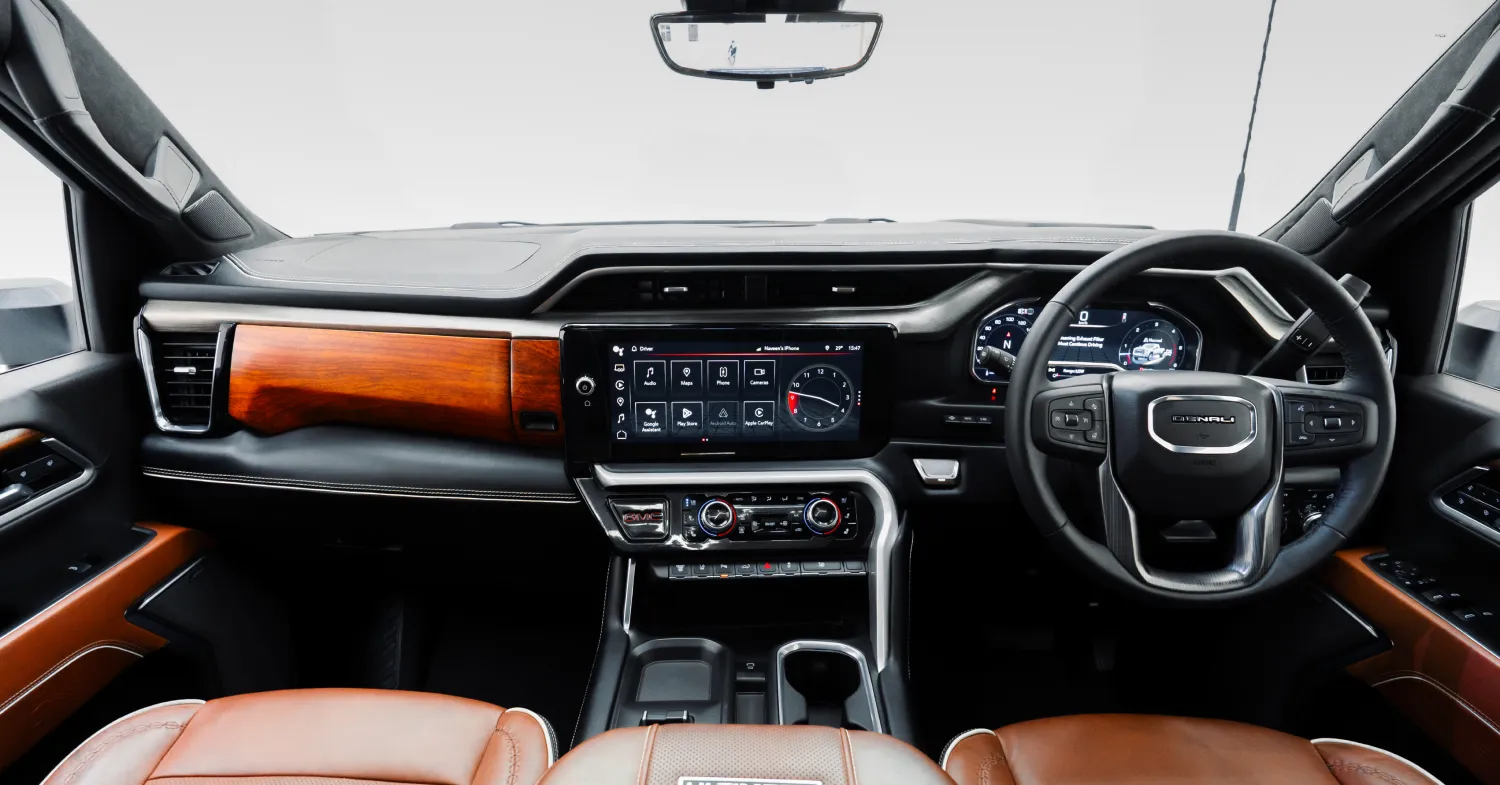

4) Package tiers (What we recommend)
You will get better results when the build has a defined tier. Here is a practical way to think about it.
| Package tier | Who it suits | Typical inclusions | Key decisions we confirm with you |
| tTouring Reliability Package | Highway touring, mixed dirt, moderate load | Suspension matched to load, load-rated tyres, dual battery or lithium, UHF, practical lighting | Your payload, tyre sizing, storage layout, power demand |
| Remote Touring Package | Longer remote legs, more time off-grid | Adds long range fuel, onboard air, upgraded power and lighting, storage refinement | Range needs, fuel weight impact, roof load plan |
| Touring Workhorse Package | Touring plus work tools and payload cycles | Adds tray and canopy or heavy storage, payload discipline, GVM planning where appropriate | Payload truth, where weight sits, servicing access |

5) Service centre reality check (what we fix when touring builds fail)
This is where experience matters.
What we commonly fix for our service customers:
Most of these problems are avoidable. The fix is usually the same: plan the build as a system, keep weight disciplined, install professionally, document properly, and do follow-up checks. There is never any harm with keeping an exact track of what you have done with the truck and when. This can assist with resale value down the track as well as following up on any potential warranty issues.

6) Before you buy anything, answer these 10 questions

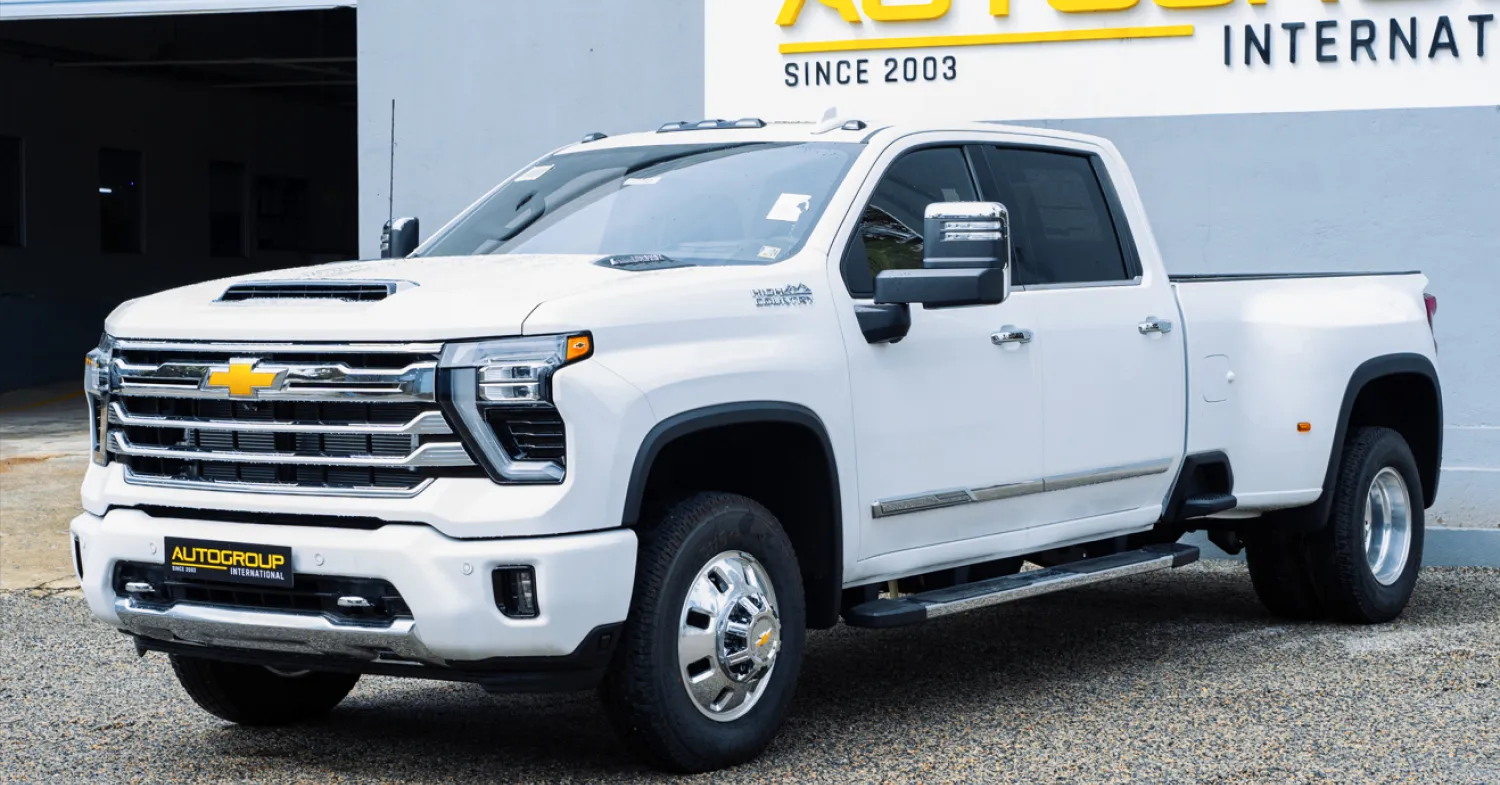
7) Warranty and documentation mindset
Our fitment is designed and installed to preserve factory warranty coverage, and we provide clear guidance on what to avoid and how to correctly document any modifications. All installation work carried out by us is backed by a two-year workmanship warranty.
Keep a simple record:
This is not legal advice. It is ownership discipline.

8) How Autogroup International is different to your traditional Dealership / Accessory Store and Installer
We have been converting American pickup trucks in Australia for over 30 years, with more than 5,000 vehicles converted and, in many cases, fully upfitted. Our operation is supported by a team of over 250 people, including more than 35 engineers, and we run Australia’s largest American truck service center. From in-house design and engineering through to right-hand-drive conversion, servicing, and ongoing support, we look after thousands of American pickup trucks on the road today, including vehicles converted by other suppliers. We are not interested in overselling accessories. We build real trucks for real use.
Practical CTA: Tell our team your truck model and year, your payload and towing reality, and where you tour. We will map a touring package that suits Australia and your actual requirements.

Glossary (touring)
What is included in a touring build package for an American pickup in Australia?
A touring package typically includes suspension matched to load, load-rated wheels and tyres, storage planning, power (dual AGM batteries or lithium), lighting, UHF, and often long-range fuel and onboard air compressors. The right mix depends on each individual case, and we are always happy to have the conversation.
Do I need a suspension lift kit to tour Australia?
Not always. You need control over the vehicle and reliability first. A lift can help with clearance, but a poorly matched lift can reduce stability. The best touring result comes from suspension tuned to suit your use case and the correct tyre package – see our article on tyres for American trucks.
What is the biggest touring build mistake you see?
Weight creep. People add bar work, storage, fuel, roof loads, and tyres without updating suspension and payload planning. The truck then feels unstable and wears parts faster.
Can you build a touring package for older trucks as well as brand new trucks?
Yes. We work on brand new trucks and older trucks. Older trucks simply need more inspection because wear and previous modifications change what works.
Will touring accessories affect warranty coverage?
They can if poorly selected or installed. Our fitment is designed and installed to maintain warranty coverage, and we advise on documentation and what to avoid. We offer a two year installation warranty on any accessories installed at our facility in Pakenham, Victoria.
Is long range fuel always worth it?
Not always. Extra range is useful, but fuel weight is significant and changes handling. The decision should be based on routes and distances, not just wanting the option.
Dual AGM Batteries lithium, what is better for touring?
It depends on your power demand and off-grid time. Lithium can deliver high usable capacity, but it must be integrated properly. Dual battery is proven and effective when designed correctly.
What tyres are best for Australian touring on an American pickup?
Tyres with correct load ratings and durable construction usually perform best. Tyre size should be chosen with suspension, clearance, and stability in mind.
Can I run a roof rack and a canopy and still be within my payload envelope?
Yes, but only with correct weight planning. Roof loads should be light and evenly distributed. Bulky, heavy items should be low. A payload plan avoids unpleasant surprises.
Why do some touring builds feel worse after the upgrades?
Usually because suspension is mismatched to real weight, tyres are oversized without stability planning, or alignment is not corrected. Touring exposes these issues quickly.
Do you build touring packages for Ford F-150, RAM 1500, Silverado 1500 and heavy-duty trucks?
Yes. We build packages for, The Ford F-150, RAM 1500, Silverado 1500, and the heavy-duty platforms including Ford F-250, Ford F-350, Ford F-450, GMC Sierra 2500, GMC Sierra 3500, Silverado 2500 and RAM 2500.
What should I tell you to get the right touring recommendation?
Truck model and year, current accessories, typical payload, towing details, where you tour, and how much off-grid power you need. That gives us the truth.