Latest News by Rob Hill22/12/2025
Best warranty for American pickup trucks in Australia the Buyer Benchmark (2026)
 by Rob Hill22/12/2025
 by Rob Hill22/12/2025
Written by : Rob Hill
If you’re considering a right-hand drive American pickup truck in Australia, you’ll encounter many claims about warranty—some reliable, some vague, and some that seem impressive until you actually need a repair, a replacement part, or a clear explanation of who is responsible. This buyer’s guide focuses on how these trucks are built, converted, supported, and serviced in Australia, cutting through the hype to highlight accountability, depth of support, and what is formally documented. Published in December 2025, this guide provides general information only and is not legal advice—always confirm warranty terms in writing before placing a deposit.
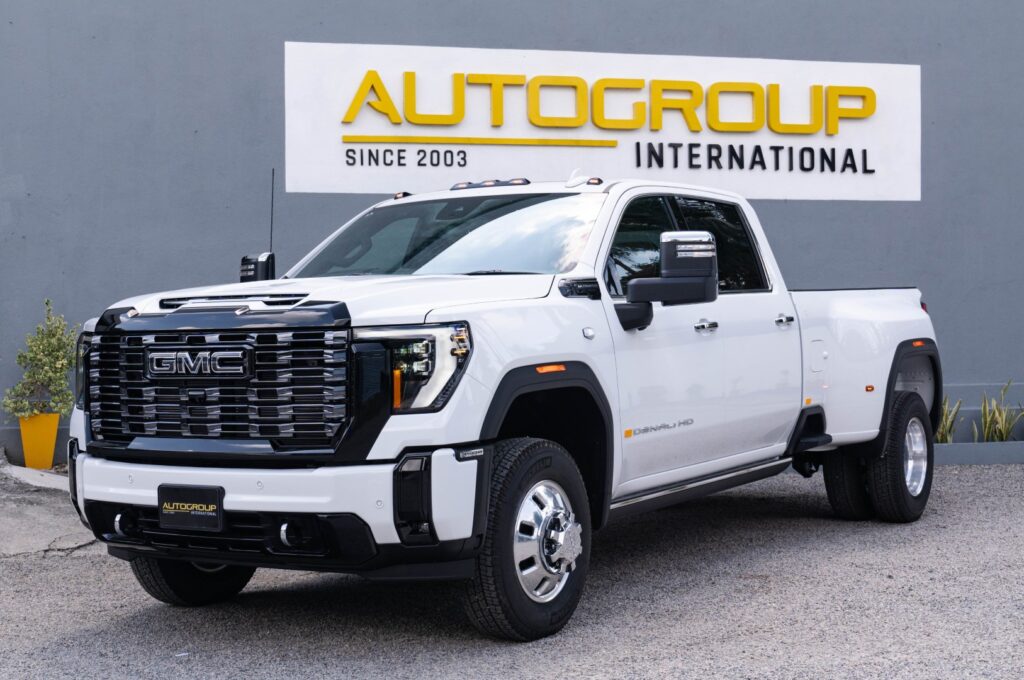
A strong warranty is not just a headline number. For an imported American truck, the warranty needs to be backed by real support in Australia, clear responsibility for the right hand drive conversion, and a parts supply chain that can keep you on the road.
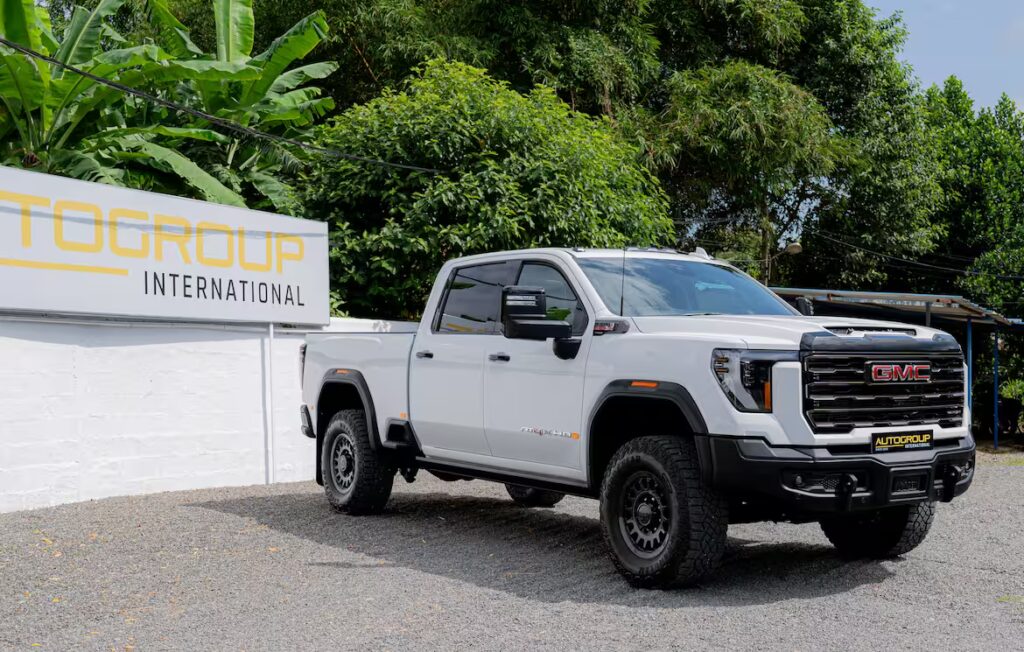
American pickup trucks sold into Australia start life as left hand drive vehicles built for North America. Once exported and converted to right hand drive, they are outside the normal US dealer network and factory warranty process. That means the real warranty is the one provided by the Australian seller and the conversion provider.
This benchmark scores what a buyer can actually find in writing from publicly available sources, typically a warranty page, website, social media or formal warranty document. If a promise is not clearly stated, it should not be treated as a reliable part of the offer.
How “Not stated (public)” is handled:
Warranty Strength and Support Score (WSSS) is a practical score out of 100 based on seven buyer-critical categories. It is designed to be simple and repeatable.
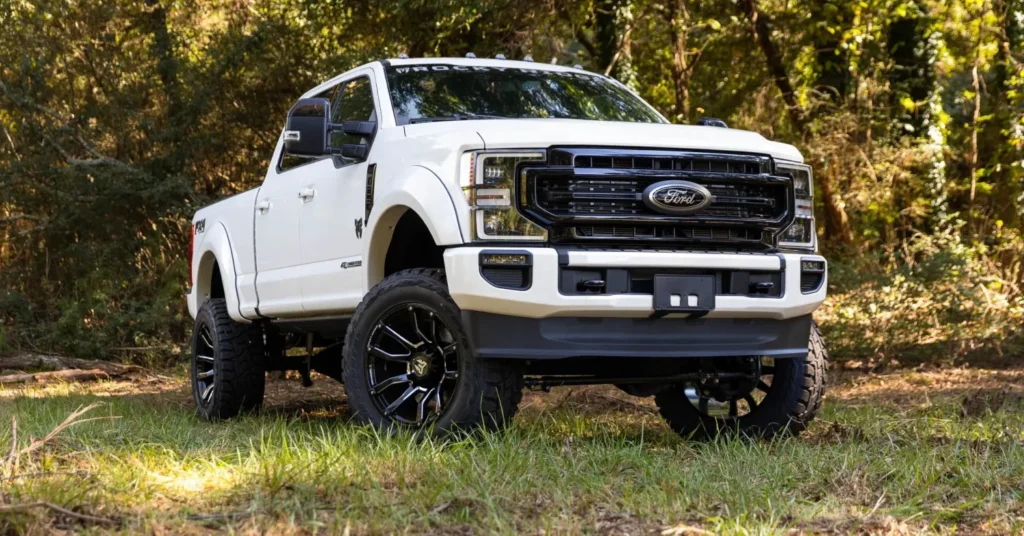
Use this table to identify which offers are clear, which are vague, and where you need to ask harder questions.
| Provider | Warranty (years) | Warranty limit | Roadside assistance | Funding model (public) | Conversion model (public) | WSSS score / 100 |
| Autogroup International (AGI) | 5 | Unlimited | Yes, 5 years (24/7) | Insurance-backed (underwritten) | In-house conversion | 100 |
| Performax International | 3 (optional 5) | Unlimited | Yes (24/7) | Administered | In-house conversion | 70 |
| Maracoonda Automotive | 3 | 90,000 km | Yes, 2 years | Not stated (public) | In-house conversion | 55 |
| Harrison F-Trucks | Not stated (public) | 130,000 km | Yes, 3 years | Self-funded | Outsourced (partner named) | 40 |
| Vehicle Development Corporation (VDC) | Not stated (public) | 100,000 km | No | Not stated (public) | In-house conversion | 35 |
| Crossover Car Conversions | Not stated (public) | Not stated (public) | No | Self-funded | In-house conversion | 23 |
| American Motors (Adelaide) | Not stated (public) | 100,000 km | No | Not stated (public) | Outsourced (partner named) | 18 |
| American Performance | Not stated (public) | 100,000 km | No | Not stated (public) | Outsourced (partner named) | 18 |
| American Trucks Australia | Not stated (public) | 100,000 km | No | Not stated (public) | Outsourced (partner named) | 18 |
| SCD Direct | Not stated (public) | Not stated (public) | No | Not stated (public) | In-house conversion | 15 |
| F Trucks WA | Not stated (public) | Not stated (public) | No | Not stated (public) | Outsourced (partner named) | 6 |
Note: “optional” warranties are shown for context, but the score is based on what is stated as standard.
Warranty outcomes are influenced by process control, parts manufacturing capability, and the depth of the support team.
| Provider | ISO / audited quality (public) | Employees (public) |
| Autogroup International (AGI) | ISO 9001:2015 (Bureau Veritas) | ~250 |
| Performax International | Not stated (public) | 40-60 |
| Maracoonda Automotive | ISO 9001:2015 referenced (expired) | Not stated (public) |
| Harrison F-Trucks | Not stated (public) | Not stated (public) |
| Vehicle Development Corporation (VDC) | ISO 9001:2015 (audited by BSI, details not public) | Not stated (public) |
| Crossover Car Conversions | ISO 9001:2000 referenced (outdated by 17 years)) | Not stated (public) |
| American Motors (Adelaide) | Not stated (public) | Not stated (public) |
| American Performance | Not stated (public) | Not stated (public) |
| American Trucks Australia | Not stated (public) | Not stated (public) |
| SCD Direct | Not stated (public) | Not stated (public) |
| F Trucks WA | Not stated (public) | Not stated (public) |
One of the biggest risk patterns in this market is the three-party chain: a retailer sources the vehicle in the US or Canada, the vehicle is shipped to Australia, a third party performs the right hand drive conversion, and then the retailer sells the truck to the buyer.
When the conversion is not owned and controlled by the same organization that sells and supports the vehicle, a simple question becomes difficult: who is responsible for what?
All of these questions are based on what has and in occurring in the Australian market.
Accessory fitment can introduce electrical faults, sensor issues, camera problems, towing system conflicts, ADR compliance issues, engineering issues, and disputes about warranty coverage. This matters most when the fitter is not the conversion engineer, and when the warranty terms are vague.
Questions to ask before accessories are fitted:
A right hand drive conversion is not a cosmetic change. It is major re-engineering. You want the most capable team, the best process control, and a clear path to aftercare, especially when a truck is A$200,000-plus and carries your family or tows your boat.
There is a reason why Autogroup International has grown into a business with 250 people across our entire business, and do not (and could not) operate with a small team – the engineering, component manufacturing and conversion is simply too complex to complete with a small team/
Many buyers spend weeks comparing wheels and bull bars and minutes checking the actual business behind the warranty. A few simple checks can reduce risk significantly.
Use these questions to force clarity, in writing.
Autogroup International is 100% Australian owned and has around 250 employees globally, including a dedicated engineering team and an 8-person procurement and logistics team. We operate across Australia, Sri Lanka (manufacturing headquarters), the US, Canada and the United Kingdom, with spare parts warehousing in three countries.
In Australia, our support package is built around five things: a 5-year unlimited kilometre full-vehicle warranty, 5 years of 24/7 roadside assistance, a 40,000 km service parts pack, authorized service centers across Australia, and the ability to remanufacture conversion components as needed. It is intentionally the best right hand drive pickup truck warranty in Australia – based upon 30+ years on being in this business and to ensure our clients’ interests are protected.
When buying a right-hand drive American pickup truck in Australia, warranty and support are far more important than towing capacity or trim. US factory warranties do not apply once trucks are exported and converted, so buyers must focus on the Australian provider’s accountability, parts availability, service pathways, and ability to remanufacture conversion components. The riskiest model is a three-party chain where a retailer sources the truck, a third-party converter performs the conversion, and the retailer sells it, as responsibility can easily become unclear. A strong warranty goes beyond years on paper—it should include suitable or unlimited kilometer limits, clear responsibility for conversion components, 24/7 roadside assistance across regional Australia, authorized service pathways, insurance-backed coverage, and proven engineering and parts support. Buyers should always verify in writing who provides the warranty, how claims are handled, where parts are stocked, and how accessories or modifications are approved. Autogroup International exemplifies this approach with a five-year unlimited-kilometer APRA-insured warranty, comprehensive roadside assistance, a 40,000 km service parts pack, nationwide authorized service centers, and the capacity to remanufacture conversion components, showing that accountability, depth of support, and verified processes are the real benchmarks for safe ownership.
Do American pickup trucks have a factory warranty in Australia?
NO. Once a US-built truck is exported and converted to right hand drive, the meaningful warranty is the one provided in Australia by the seller and the conversion provider. Always confirm the warranty issuer in writing.
What is the biggest warranty risk when buying through a dealer?
The risk is split responsibility. If one business sources and sells the truck and a different business performs the conversion, problems can turn into finger-pointing unless responsibility is clear and written.
What does insurance-backed warranty mean in plain English?
It means the warranty is underwritten by an insurer rather than relying only on the cash flow of the seller. Ask who underwrites it, what is excluded, and what the claims process looks like.
Why does “Not stated (public)” matter?
Because a buyer cannot rely on a promise that is not clearly stated. If it is not written on a warranty page or document, ask for it in writing before you pay a deposit.
Is a 5-year warranty always equal to another 5-year warranty?
No. Look at kilometre limits, exclusions, who funds it, and whether conversion items are clearly covered. Two warranties with the same headline term can behave very differently when you need a repair.
Who covers conversion-related items like the dashboard and wiring?
That should be explicitly stated. If it is not, ask the seller to specify what is covered for conversion components, workmanship and integration of electronics and safety systems.
What if the retailer says another company does the conversions?
Slow down and ask for clarity. Who is responsible for conversion warranty, who supplies parts, who authorises repairs, and what happens if the retailer and converter stop working together.
Can accessory fitment affect warranty outcomes?
Yes. Accessories can introduce faults or create disputes about cause. The safest path is a single accountable organisation that understands the vehicle, the conversion and compliance requirements.
How do I check how long a company has been operating?
Start with an ABN or ASIC search for the legal entity issuing the warranty. Also check the business’s long-term footprint, service history, and whether they can point to vehicles they have supported for years. Also check their Facebook page in the About Us and Transparency section.
Why do team size and infrastructure matter for warranty?
Because warranty is delivery, not marketing. A specialised team (engineering, procurement, logistics, quality, parts) makes it more likely you will get fast answers, parts and repairs when you need them.
Is a self-funded warranty a problem?
Not always, but it changes the risk. With a self-funded warranty you are relying on the business’s ongoing viability. Ask how claims are funded and what happens if the business change’s structure or direction. Self-funded warranties are like self-insuring your home or your vehicle!
What should I ask before I pay a deposit?
Ask who issues the warranty, who covers conversion components, where parts are stocked, what service network exists in your state, and how claims are handled. Get it in writing.
Does this benchmark cover every provider in Australia?
No. It is a snapshot based on publicly available information at the time of writing. If a provider updates their published terms, the benchmark should be updated.
Where can I see Autogroup International’s warranty details?
Review the warranty information on our website and ask our team to walk you through the terms and the claims pathway in plain English.